The guide distinguishes casino-operated or connected accommodation from nearby hotels and explains what to verify in room rates and package terms.
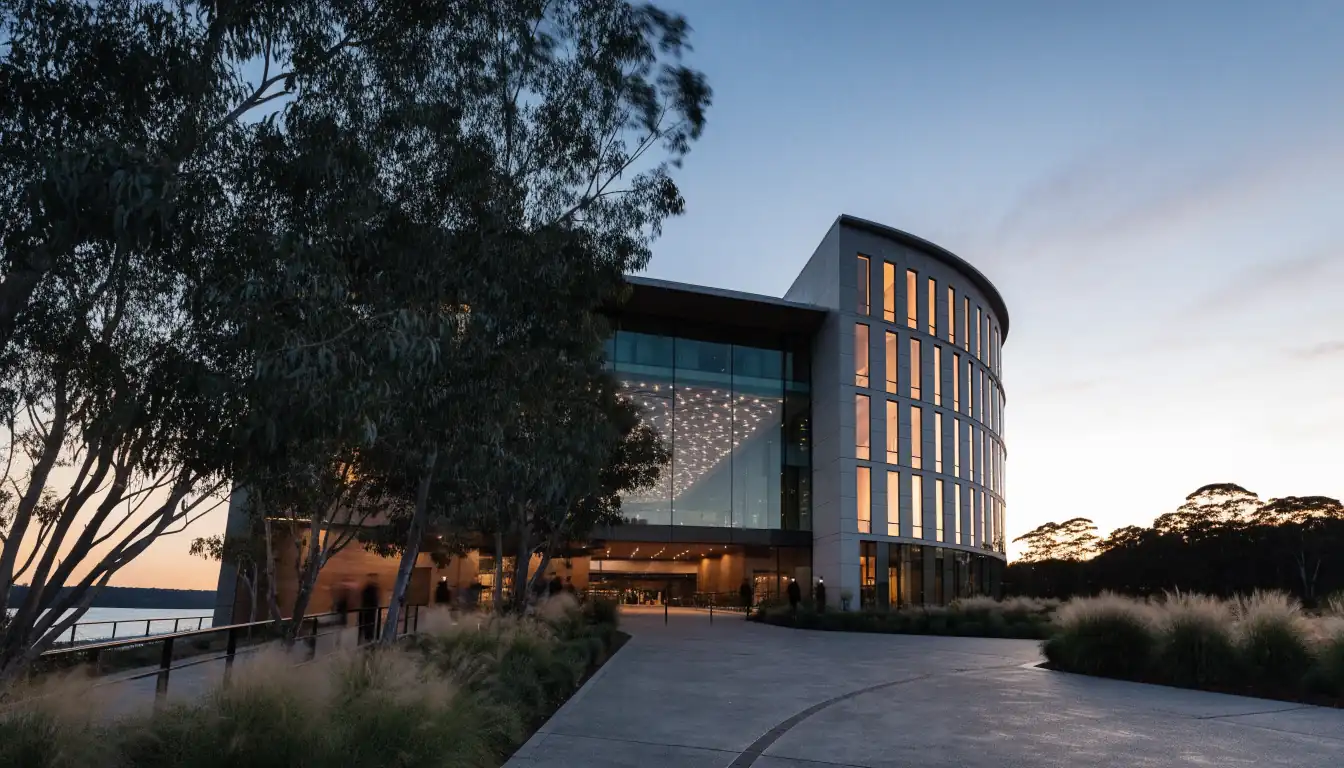
A casino hotel means more than a hotel appearing beside a casino in a map result. The useful distinction is whether accommodation is operated by the casino, formally connected to it, or simply located in the same area. Those arrangements can affect who sells the room, which terms apply and whether a casino-related package is actually included.
A property name in a search result is not enough to establish that a casino operates the hotel. Nor does the phrase “casino hotel” prove that a room booking includes casino access, dining credit or any other benefit. Those are separate parts of an offer and need separate terms.
A room rate is only one line in the cost of a stay. Before treating an advertised rate as the amount payable, the booking terms need to show the total for the selected dates and room, including any compulsory charges. A rate that changes with dates, occupancy or cancellation conditions is not directly comparable with a different headline price.
Choosing an online casino while in Tasmania calls for a close look at the details available for each option. This list provides a concise reference to the stated licensing, deposit and payout information.
Uptown Pokies
Uptown Pokies has operated since 2017 under a Curacao licence. Its stated minimum deposit is A$20.
DragonSlots Casino
DragonSlots Casino is listed as licensed by the Curacao Gaming Authority, with Jumpman Gaming Ltd named in connection with the licence.
SkyCrown
SkyCrown is licensed by the Tobique Gaming Commission. Its stated payout times are around 10–15 minutes for crypto and 1–5 days for fiat, and its minimum deposit is A$30.
LevelUp Casino
LevelUp Casino lists a Curacao eGaming licence, OGL/2023/174/0082, associated with Dama N.V. Its stated minimum deposit is A$15.
WinSpirit Casino
WinSpirit Casino lists a Curacao eGaming licence, OGL/2024/923/0383, associated with Antillephone N.V. Its stated minimum deposit is A$30.
Wild Tokyo
Wild Tokyo is licensed in Curacao. Its stated payout times are 30–60 minutes for crypto and 1–5 days for fiat, with a minimum deposit of A$10.
Playfina Casino
Playfina Casino is licensed by Curacao eGaming, with Hollycorn N.V. named as the licensee, and has operated since 2017. Its minimum deposit is A$20–30, depending on the offer.
Roby Casino
Roby Casino is licensed by Curacao eGaming, with Roby Games Ltd named as the licensee.
House of Pokies
House of Pokies lists an international iGaming licence, though the jurisdiction is not named in the source. Its stated PayID payout time is 1–24 hours; the minimum deposit is A$30, or A$10 via PayID.
Golden Pokies
Golden Pokies is listed as licensed in Curacao. The available information for this operator is limited to its stated licensing jurisdiction.
The practical comparison is between like-for-like bookings: the same dates, room occupancy, payment timing and cancellation terms. A lower rate can have less value if it is non-refundable while another rate permits cancellation. If a package names an inclusion, its value depends on what the wording actually grants, when it can be used and whether it is available to the person making the booking. A vague reference to “casino benefits” is not a defined saving.
Accordingly, room names, views, facilities, prices and package inclusions should not be inferred from generic hotel listings or from the word “casino” in a property description.
A booking platform may sell accommodation without being the hotel operator. The confirmation should identify the property, the party responsible for the booking and the rules that govern changes or cancellation. If a casino connection is material to the decision, it should be stated by the property or casino itself, rather than assumed from location or branding.
This distinction matters when a deal is described as a casino hotel offer. The label alone does not show whether it is a room discount, a bundled service or merely accommodation marketed near a casino. The price should be assessed against the actual inclusions and restrictions, not against the promotional wording. Where those details are not stated, the monetary value of the supposed benefit is not calculable.
 Victoria Casino Hotels and Accommodation GuideLearn how on-site rooms, nearby hotels and casino-linked packages differ, and why booking terms should identify the accommodation provider and inclusions.
 Western Australia casino: rooms, deals and detailsCompare total room costs, cancellation terms and booking conditions, alongside common searches about casino facilities, dining, parking and accommodation.
Searches that combine Tasmania, a casino and hotel rooms can also produce results for hotels across the island. That does not make each result an on-site casino hotel. A listing should be treated according to the relationship it expressly describes: accommodation operated by a venue, a formal hotel partnership, or an independent property. These categories are not interchangeable.
The same care applies to the word “deal”. A promotional label does not establish that a rate is cheaper than another available rate, or that it remains available for the intended dates. Availability and conditions can change; the relevant terms are those displayed for the chosen booking at the time it is made.
Opening hours are a separate venue detail, not a hotel-room feature. A hotel listing cannot establish when a casino is open, and a room reservation does not, by itself, establish access to casino facilities. Keeping those claims separate avoids turning an accommodation description into a promise about the venue.
For anyone comparing a Tasmania casino hotel with other accommodation, the defensible basis is the property’s stated connection to the casino, the room terms and the complete payable rate. Without those details, a casino-themed label adds no measurable value to the booking.
Poker-room and tournament searches point to different questions. A room is a venue feature; a tournament is a scheduled event with its own entry rules, format and start time. Neither can be inferred from the other. A casino may offer poker without running a tournament on a particular day, while a tournament listing does not establish that a dedicated poker room is available for general play.
For a useful comparison, the relevant details are operational rather than promotional: whether play is cash poker or tournament poker, what formats are listed, how registration works, when the event is scheduled, and whether the information is current. Tournament terms should identify entry conditions and any re-entry or late-registration rules. Without those details, a headline mentioning poker does not establish what is available to join.
The phrase “casino rooms” is also ambiguous. It may refer to hotel accommodation, a room used for poker, or another area within a venue. Those are separate facilities with separate terms. A poker room is not evidence of guest accommodation, and accommodation wording does not establish that poker is offered. Keeping the categories distinct prevents a search result for one service from being mistaken for confirmation of another.
A sports bar is another separate venue feature. Its presence would not establish poker tables or tournaments, and poker listings would not establish a bar. For anyone comparing facilities, each needs its own current description, service details and operating information. The same distinction applies to a gym: it is a health and fitness facility, not a standard synonym for a casino room or poker area.
The gym-related wording therefore needs to be treated as a separate amenity question. Useful details would include whether access is available to visitors or restricted to accommodation guests, whether entry requires a separate fee, and what facilities and hours apply. A hotel’s general fitness offering, if one exists, would not automatically be a casino facility. Nor would the word “resort” establish gym access. These are different services, and the terms determine whether they form part of a visit or require a separate arrangement.
 Best pokies in Tasmania: checking venues and returnsLearn why venue listings are only a starting point, how opening status can change, and why variable pokie returns make “best” difficult…
 Best Casino in Perth: Rooms, Dining and Visitor GuideExplore Perth casino stays, nearby accommodation, dining, events and facilities, with room costs shaped by dates, room type, booking terms and extras.
“Open now” and “open today” are time-sensitive checks, not permanent venue attributes. A casino’s general operating status would not establish that a poker room is running, that a tournament is scheduled, or that a gym is accessible at the same time. Each facility may have its own hours, event calendar or entry conditions. A dated listing is more useful than an undated description, particularly where a tournament time or registration window can change.
The cleanest way to assess the combination is to separate the intended activity from the supporting facilities. Poker play requires information about the game and access terms; tournament attendance requires an event listing and registration conditions; gym use requires facility and access details. A bar listing answers a different question again. Treating those items as separate line entries makes the practical comparison clearer and avoids turning a broad venue label into a promise of facilities or events.
Parking, bingo and dining are practical questions about a physical venue. They do not establish that a Tasmanian casino offers any particular facility or activity. Parking arrangements, including valet service or free parking, need to be confirmed for the specific destination and visit; the same applies to bingo sessions and food service. Without confirmed venue information, none should be treated as an available feature.
For a visit, these details affect the plan in different ways. Parking concerns access and any applicable conditions. Bingo concerns whether a session is scheduled and how participation works. Dining concerns what is served and when. A single label such as “casino” does not answer any of those questions. Venue information should be checked for the relevant date, rather than relying on an assumption that a service is included or routinely available.
The wording “online casino” raises a different issue. It refers to gambling services accessed over the internet, not a digital extension of a land-based venue’s parking, bingo or dining facilities. In Australia, the Interactive Gambling Act prohibits Australian-run operators from offering online casino services to people located in the country. Online pokies, blackjack and roulette fall within the restricted casino-game category. A Tasmanian venue search therefore should not be read as evidence that an Australian operator can provide those games online.
Offshore platforms are not regulated under Australian law. Their position is distinct from that of an Australian-run operator, but that distinction does not make an offshore service an Australian-regulated casino. The legal treatment of the operator and the regulatory protection available to a customer are separate matters; the latter is not supplied by the mere fact that a platform accepts access from Australia.
This is why “casino in Tasmania” and “online casino in Tasmania” should not be treated as interchangeable descriptions. The first points to a physical destination and questions such as parking, bingo and food. The second concerns internet-based gambling, subject to the federal restrictions applying to online casino services for people in Australia. A physical venue’s existence would not, by itself, change those rules.
For anyone comparing a visit with online play, the relevant checks are therefore different. Physical-venue information should identify the actual service and its conditions. Online claims should be assessed against the Interactive Gambling Act and the fact that offshore platforms sit outside Australian regulation. An offer or game lobby is not proof of lawful Australian provision.
The practical answer on parking, bingo and dining is conditional: each requires current, venue-specific confirmation. The legal answer on online casino play is clearer. Australian operators cannot offer those casino games to people in Australia, while offshore platforms do not provide Australian-law regulation. A shared word—“casino”—does not make the services equivalent.
Accommodation near a casino is a separate question from whether a casino itself has guest rooms. A nearby hotel, serviced apartment or other stay would be an independent property, with its own booking terms and location. The word “near” is not a useful measure on its own: without a confirmed venue address and a named property, it cannot establish walking distance, travel time or convenient access.
A practical comparison starts with the exact casino location and the accommodation’s street address. Once both are established, the route can be checked using the transport mode that will actually be used. A map distance may not reflect the time or effort involved in the route, and a property described as close by may still require transport. Those details should be confirmed against the property’s current listing rather than inferred from a casino-related label.
Price comparisons also need to use the same stay dates and room conditions. The displayed rate may depend on availability, cancellation terms, payment timing and what is included. A lower headline price is not necessarily the lower final cost if fees or stricter conditions apply. Any comparison should therefore be based on the total payable amount and the booking terms shown before confirmation, not on a general claim of a casino accommodation deal.
The phrase “accommodation deals” can refer to several different arrangements: a property’s own discount, a package involving separate services, or a promotion linked to a venue. Those are not interchangeable. A gaming promotion does not, by itself, establish a lodging discount, and a nearby property should not be represented as affiliated with a casino without clear confirmation from the relevant businesses. Promotional wording has little value until its eligibility, dates and final price are stated.
For Tasmania, a useful shortlist depends first on identifying the intended casino and then checking individual accommodation listings against that location. Property names, distances, available rooms and current offers should come from current, specific listings. Broad descriptions such as “close to the casino” do not settle any of those points.
The same discipline applies to parking. A nearby accommodation listing does not establish that parking is included, available on site or suitable for a particular vehicle. Where a stay depends on parking, the property’s own terms should specify whether it is offered and whether any separate charge or restriction applies. Casino-area parking and accommodation parking are distinct arrangements.
A reliable booking record should show the property, dates, room conditions, cancellation rules and total cost in one place. If those details are not presented clearly, the apparent deal cannot be compared on equal terms. Until a specific venue and property are identified, “near a Tasmania casino” is a description to verify, not a distance, price or confirmed package.
A contact number is useful only when it belongs to the venue in question and is current. Search results can mix official venue pages with directory entries, map listings and older event pages; those sources may not be updated at the same time. A phone number copied from a third-party listing is therefore not equivalent to a published venue contact. The same distinction applies to email addresses, enquiry forms and social-media accounts: each should be attributable to the venue before it is used for a booking or travel decision.
A map result also has a limited job. It may help locate a named place, but it does not establish that the place is a casino, that a particular entrance is open, or that parking is available to visitors. An address and a route are separate pieces of information, and neither confirms current access arrangements. Car-park searches are best treated as a request for practical arrival details, not as evidence that a venue has its own parking facilities.
Bar information needs similar separation from general venue information. A listing for a bar may refer to a standalone business, a hotel bar or a venue within a larger complex. The name alone does not confirm whether it is part of a casino, what it serves, or when it operates. Opening times, entry conditions and service details can change; an old listing may remain visible after the underlying information has changed. For a visit planned around a bar, the relevant details are the venue’s own current information rather than assumptions based on a map pin or a short directory description.
Concert listings are time-sensitive in a different way. An event page can refer to a past performance, a nearby hall or a separate promoter rather than entertainment at a casino. A title or image in a results page does not establish the event date, location, ticketing arrangements or whether the performance is still scheduled. Those details belong together on a current event listing; separating them can turn an apparent plan into an unnecessary trip.
Baccarat and craps are game names, not confirmation of a table, session or operating schedule at a Tasmanian venue. Their appearance in a venue-related search does not establish that either game is offered. The practical distinction is between the game someone is looking for and the specific venue information needed to confirm its availability. A game description cannot substitute for a current listing of what is actually provided on site.
For the phrase “best casino in Tasmania 2026,” a useful comparison begins with verifiable visitor information rather than an assumed address, bar, car park or event calendar. Contact details should identify the venue; maps should correspond to that location; and event information should name the place and the date. Without those links, a result is a lead to investigate, not a reliable basis for arranging a visit.
Breakfast, a buffet, a resort package, a rewards programme and a job vacancy are different propositions. Grouping them under a casino label does not make them one product. Each has its own terms, cost and availability, so the useful comparison is between the specific service offered and the amount it adds to a visit.
A breakfast arrangement can mean a meal included with a room, a separately priced meal, or food available at a particular time. Those distinctions affect the total cost. “Included” is meaningful only when the booking conditions identify what is included, which guests qualify and whether the benefit applies on every booked day. A buffet breakfast is narrower still: the word describes a serving format, not the menu, service period or price. Those details need to be stated before the meal can be compared with another option.
The same distinction applies to a casino buffet. A buffet is a dining format, not proof of a particular venue, menu or operating schedule. Any advertised price also needs to be read with its conditions: whether it applies to all diners, whether drinks are included and whether booking is required. Without those terms, a headline offer cannot be treated as a final bill.
“Resort” is broader than “casino”. It can describe a property combining accommodation and leisure services, but the label alone does not establish which facilities are available or what a package includes. A resort price is comparable only after its components are separated: room, meals, access to facilities, taxes and any conditions attached to the stay. A low headline price can simply leave more of the total outside the package.
A meal that may be included with a room or separately priced, with specific serving formats like buffets.
A broader offering combining accommodation and leisure services, requiring a breakdown of components to assess value.
A system of points or benefits where value depends on earning rates, exchange options, and expiration terms.
Rewards have a similar accounting problem. A programme may award points or other benefits, but the value depends on how points are earned, what they can be exchanged for, whether they expire and whether exclusions apply. A displayed balance is not cash unless the terms allow it to be converted or spent on something the member would otherwise purchase. A benefit tied to future visits also has less immediate value than a reduction on the current bill.
Casino employment is not a visitor benefit. A vacancy needs to be assessed as a work offer, with the role, employer, location, hours, pay basis and application conditions made explicit. The word “casino” does not identify the employing entity or establish that a position is open. Nor does a general careers page guarantee that a suitable role is available at a particular time.
For applicants, the relevant calculation is the value of the job after its conditions are understood: expected hours, required qualifications, shift pattern and any travel or other costs associated with the location. A title alone is not enough to compare roles. The same discipline applies to visitor offers: separate the components, read the conditions and compare the final cost rather than the label.
“Open” can refer to a casino’s gaming floor, a hotel, a bar or another part of a wider venue. These are not interchangeable. A general listing may describe a business as open while a particular service is unavailable, and an old listing may remain visible after circumstances change. For a visit to a casino in Tasmania, opening status should be checked against a current venue announcement before travel; an archived page or undated directory entry is not a reliable basis for a decision.
Reopening language needs the same scrutiny. A proposal, planning discussion or report of intended work does not establish that a venue has reopened, or that it will reopen on a particular date. A development claim is more useful when it identifies what has been approved, what work is under way and whether an operator has announced an operational change. Without those distinctions, “development” can describe anything from an idea to a completed project.
Entertainment and event information is date-sensitive. A past performance or event listing establishes only that it was scheduled for that date; it says nothing about a future programme. Before making plans, the relevant details are the event date, venue area, entry conditions and any cancellation or rescheduling notice. A general entertainment page should not be treated as a confirmed schedule.
Employment information also has a short shelf life. A current vacancy should identify the role, employer, location and application route. General statements about a venue’s workforce do not establish that a position is open, while a job advertisement that has closed is not a current opportunity. The distinction matters: an employment page can remain online after recruitment ends.
A casino review is most useful when it separates dated observations from enduring details. Opening status, entertainment and development can change; a review that does not say when its information was checked cannot settle those points. Menu references are similarly time-sensitive, but food and restaurant details are a separate question from whether the venue is operating or hosting an event.
For the 2026 search, the practical test is not whether a page uses words such as “open,” “reopening” or “coming soon.” It is whether the statement is recent, specific to the relevant venue or service, and supported by an identifiable announcement. Treating an intention as an operating fact is a poor way to plan a visit—or to assess a job lead.
Restaurant information is useful only when it can be tied to a specific venue. A casino-related label alone does not establish that a restaurant operates on the premises, that it is open to the public, or that its food and service match a particular description. Those are separate claims, and each needs its own current details.
For a Tasmanian casino restaurant, the practical points are straightforward: the restaurant’s exact name and location, whether it is inside the casino or elsewhere, its menu, service format, booking conditions and operating hours. Without those details, claims about a meal, price, cuisine or availability cannot be assessed. A broad venue description is not a substitute for restaurant information.
The distinction matters because “at a casino” and “near a casino” describe different arrangements. A restaurant inside a gaming venue may have different access conditions from an independent restaurant in the surrounding area. A listing should make the relationship clear rather than rely on a shared place name or a general description of the district. Otherwise, a short journey or a separate business can be mistaken for an on-site facility.
Menus also require dates and scope. A sample menu does not establish that every listed dish is currently served, while a cuisine label does not confirm ingredients, dietary options or prices. Service details matter just as much: table service, counter ordering, reservations and walk-in availability are not interchangeable. None should be inferred from the word “restaurant.”
The same standard applies to opening times. A venue’s hours do not automatically describe a restaurant within it, and a restaurant’s service period may differ by day or meal. Any schedule needs to identify the restaurant itself and state when the information applies. Without that separation, a visitor could arrive with a reasonable expectation based on the wrong business.
A reliable restaurant listing therefore joins the venue name to an address, current menu and explicit service and hour details. If one of those elements is unclear, the dining arrangement remains unclear too. That is a less satisfying result than a polished description, but it is more useful than treating an assumption as a confirmed option.
The phrase “casino restaurant in Tasmania” can describe an intended destination; it does not, by itself, identify a particular restaurant or establish its services. For a decision involving a meal, the relevant unit is the named restaurant and its current terms, not the broad casino label. No menu, service style or operating schedule should be attributed to a Tasmanian casino restaurant without those particulars.
A venue name and a Tasmanian address need to be matched before travel is planned. Search results can combine businesses with similar names, outdated listings and pages for unrelated services. The useful check is whether the address appears on the casino operator’s own current visitor information and whether the same venue name is attached to it on a map. If those details do not agree, the discrepancy should be resolved before transport or bookings are arranged.
To ensure accuracy, check if the address appears on the casino operator’s current visitor information and matches the venue name on a map. Discrepancies should be resolved before arranging transport or bookings.
The same standard applies to a spa. A day spa near a casino, a spa inside a hotel and a treatment facility operated by a casino are different services. The word “spa” in a listing does not establish which one is being offered, where it is located or whether it is open to non-guests. Before relying on a treatment listing, confirm the operator, location, booking conditions and current service information directly with the business.
Dress-code expectations are also venue-specific. Rules can differ between gaming areas, bars and restaurants, and may change for particular events. A general assumption based on another casino is not a substitute for the venue’s own entry guidance. Where no current policy is published, the practical option is to ask the venue before setting out rather than risk arriving in clothing that does not meet its requirements.
Bar listings require similar care. A bar shown in an old directory may have closed, changed its name or belong to a nearby hotel rather than the casino itself. Confirm that the listing is associated with the intended venue, then check its current service details and any entry conditions. A bar name alone does not establish hours, access arrangements or whether it serves visitors who are not using other facilities.
Career information should be treated as employment information, not visitor information. Vacancies can expire, and third-party listings may remain visible after a role has been filled. Current opportunities and application instructions should be checked through the employer’s own recruitment channel. A general careers page does not confirm that a particular position is open.
Casino games are another point where the setting matters. A list of games associated with a casino does not confirm that a particular game is available at a Tasmanian venue. Nor should a venue search be confused with online play: under the Interactive Gambling Act 2001, operators may not provide real-money online casino games to people in Australia. For a physical venue, only current, venue-specific information can establish what is offered on site.
A casino food court and a casino pool are separate facilities, not details that can be inferred from a restaurant listing, a breakfast offer or a resort label. For Tasmania, neither a food court nor a pool can be confirmed as part of a casino venue. That distinction matters: a general reference to food does not establish a dedicated food-court area, and accommodation or leisure wording does not establish access to a swimming pool.
For a food court, useful confirmation would identify the facility as part of the venue and specify what is actually available there. Without that, there is no sound basis for assuming a choice of counters, seating, service times or access arrangements. Those details affect whether the facility fits a short visit or a meal stop; the label alone would not settle any of them.
The same standard applies to pool access. A pool might be a venue facility, a hotel amenity, or absent altogether. Those are materially different arrangements. A reference to a nearby hotel or a resort-style setting would not establish that casino visitors can use a pool, whether access is included, or whether it is restricted to accommodation guests.
The practical conclusion is narrow: food-court and pool facilities in Tasmania should not be treated as confirmed casino amenities. Before making plans around either, the relevant venue would need to state the facility and its access conditions directly. Until then, neither a meal stop nor a swim can be built into an itinerary on the assumption that the casino provides it. This is not a judgement about quality; it is a limit on what can responsibly be represented as available.
It is a restriction that uses a player’s IP address to identify their location and prevent access to certain games. Blocked games may not appear in the lobby or may fail to load.
Club Liverpool has the highest number of operational poker machines among clubs in NSW.
A VPN can make it appear that you are accessing the game from another country, even while you are physically in Australia.
Each online pokie uses a random number generator, and every spin is independent of previous spins. RTP describes the theoretical share of wagers paid back over a very large number of spins.